

What You Must Know About Dutch Rent Increases (2026)
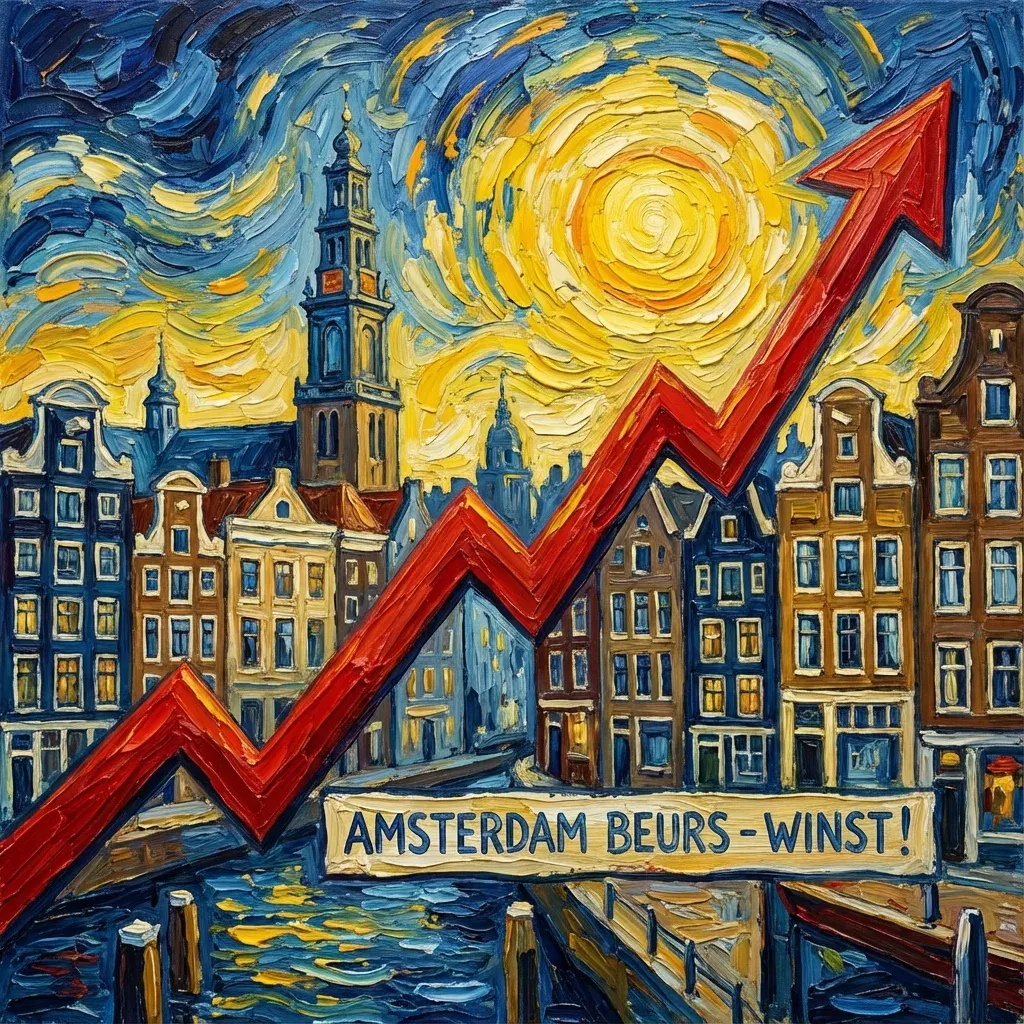
Navigating the Anxiety of Dutch Rent Hikes
For the vast majority of international renters navigating the complex housing ecosystem of the Netherlands including expats, university students, and independent freelancers the annual letter announcing a rent increase triggers massive financial anxiety. The Dutch property market is notoriously expensive, and any sudden monetary jump can instantly derail a carefully constructed monthly budget.
While annual rent increases are indeed a standard, routine aspect of the Dutch real estate landscape, they are not unregulated wild west affairs. The Dutch government deploys some of the most aggressive and highly structured tenant protection laws in the entire European Union. Your landlord does not possess the absolute freestyle authority to raise your monthly bill by arbitrarily high numbers simply because property values have spiked locally.
Understanding the precise mathematical limits set by the government, knowing exactly when and how a landlord must notify you, and realizing that you possess formal institutional avenues to fight illegal hikes is the ultimate key to surviving the Dutch housing market. This comprehensive guide breaks down the complex financial logic behind both social and free sector rent limits, empowering you to sign and manage your housing contract with absolute confidence.
1. The Great Divide: Social Housing vs. The Free Sector
Before you can calculate if your specific rent increase is legal, you absolutely must determine which legal category your apartment occupies. The Netherlands splits all rental properties into two highly rigid spheres: social housing (sociale huur) and the free sector (vrije sector).
Social Housing (Regulated Rent)
A property is officially categorized as social housing if the starting base rent (known as the kale huur, excluding all utilities) falls below the national liberalization threshold (liberalisatiegrens) at the exact moment you signed your contract. For the year 2024, this threshold sat around 879 euros, though the government updates this precise number annually.
If your apartment falls into the social sector, your rent is fiercely protected. The government dictates extreme maximum percentages based on your specific household income and the inflation rate.
The Private Free Sector
If your initial base rent was strictly higher than the liberalization threshold when you signed your contract, you live in the free sector. Historically, free sector landlords could raise rents by massive, unconstrained margins. However, recent federal legislation fundamentally crushed this practice. Today, even luxury free sector apartments operate under a strict, federally mandated percentage cap.
2. The Mechanics of the Annual Increase
Landlords cannot randomly change the price on your apartment every three months.
The Once Per Year Rule
The absolute golden baseline of the Dutch civil code is that a landlord may exclusively raise the basic rent exactly once per twelve month cycle. The overwhelming majority of institutional property managers and massive real estate agencies universally apply this increase simultaneously on the first of July.
Free Sector Percentage Caps
The calculation mechanism for the maximum allowable percentage is updated every single year by parliament. The government analyzes two primary economic factors: the official national inflation rate and the collective average wage development. The federal cap is mathematically restricted to the lowest of these two numbers, plus a small permitted margin (traditionally one percent). If inflation is soaring at 5 percent, but national wages only grew by 3 percent, the landlord is securely blocked from utilizing the inflation metric. In 2025 and moving deeply into 2026, this vital mechanism guarantees that salaries keep pace with rental inflation.
What About Service Costs?
You must explicitly distinguish your basic rent from your service costs. Service costs cover shared electricity, cleaning of the hallways, and internet. A landlord cannot arbitrarily increase your ultimate monthly payment by falsely inflating the service costs. Service costs act as an exact advance payment. The landlord is strictly forbidden from making absolute profit on these charges and must prove every single euro through original invoices at the end of the year. For a full breakdown on managing those specific expenses, review our detailed utility cost matrix.
3. Strict Rules of Notification
If your landlord attempts to increase your rent, they are bound by extremely strict administrative protocols regarding precise communication.
The One Month Written Notice
Verbal warnings do not possess any binding legal authority in the Netherlands. For any rent increase to be activated, the landlord must notify you via a formal written letter (or verified email) an absolute minimum of one full month before the increase takes effect. If they plan to raise the price on July 1st, that official letter must arrive in your possession before June 1st.
Erroneous Letters
If the landlord misses the strict legal deadline and delivers the letter on June 5th, the scheduled increase is officially voided for July. They cannot legally demand the higher price, and you are entirely within your rights to continue paying the old baseline until precise protocol is met. If you suspect your broader contract contains illegal clauses regarding these dates, consult our guide on lack of clarity in rental contracts.
4. How to Fight Back Using the Huurcommissie
If you receive a deeply suspicious letter demanding a percentage hike that heavily exceeds the government mandate, you are not powerless. The Netherlands provides a dedicated legal organization for tenants.
The Power of the Tribunal
The Huurcommissie (Rent Tribunal) operates as a heavily subsidized, fully neutral government agency designed exclusively to settle intense disputes between tenants and landlords. You do not need an expensive private lawyer to access their supreme authority.
If you occupy a social housing unit and strongly believe the calculation is illegal, you have a highly strict window (usually around six weeks from the written notification date) to formally submit a comprehensive dispute to the Huurcommissie. During the active investigation period, you legally continue to pay your old rent without penalty.
While free sector tenants historically enjoyed less protection from the Huurcommissie, modern legal frameworks now permit free sector tenants to utilize the tribunal to aggressively contest extreme increases that violate the federal percentage cap.
5. Bypassing Predatory Landlords via Huisly
The ultimate strategy to avoid illegal rent hikes is to avoid amateur, fraudulent landlords completely. Relying on random social media groups forces you to interact with individuals who intentionally ignore federal notification rules and attempt to extort extra money via fake maintenance fees.
Huisly completely isolates you from this chaotic underground market. We operate as an advanced aggregator, exclusively pulling dynamic feeds from highly established, fundamentally vetted platforms like Pararius and Funda.
When you locate your new home through the Huisly dashboard, you connect solely with professional property managers and verified institutional investors. These registered entities exclusively operate using standardized ROZ contracts and employ dedicated compliance teams that strictly adhere to the government mandated July percentages. By restricting your search to Huisly, you effectively guarantee that your yearly increase notice will be mathematically accurate, properly communicated, and thoroughly legal.
Conclusion
A rent increase letter does not need to ignite immediate panic. By aggressively separating your basic rent from your service costs, memorizing the government’s exact yearly percentage limits, and demanding formal written notice, you secure your financial stability perfectly. Whether you leverage the profound power of the Huurcommissie to fight a bad calculation, or proactively use Huisly to find highly compliant professional landlords from the outset, mastering the rules transforms you from a vulnerable expat into a highly protected Dutch tenant.
Frequently Asked Questions
How often is a landlord legally allowed to increase my rent?
Under Dutch law, a landlord can generally only increase your base rent exactly once every twelve months. Most landlords universally apply this increase on the first of July.
Can a free sector landlord raise my rent by ten percent simply because they want more money?
No. Even in the free private sector, the Dutch government legally caps the maximum allowable percentage every single year. The limit is mathematically tied to national inflation rates and average wage developments.
What is the Huurcommissie and how can they help me?
The Huurcommissie (Rent Tribunal) is a highly formalized, independent government organization that formally handles strict disputes between tenants and landlords regarding rent prices, service costs, and severe maintenance issues.

About Lena Rahimi
Marketing and research expert at Huisly. Lena combines data-driven insights with deep market knowledge to help home seekers navigate the Dutch real estate market.
Related Articles

Rent Increase Rules in the Netherlands 2026: Strict Legal Caps Explained
Everything you absolutely must know about the 2026 rent increase limits: 4.1% for social housing, 6.1% for mid-range, and 4.4% for free sector apartments.
Read Article
All New Housing Rules for 2026: A Complete Guide for Renters and Buyers
Complete guide to 2026 Dutch housing law changes. Housing allowance, mortgages, rent increases, energy requirements and Amsterdam regulations explained.
Read Article
Dutch Address Registration: A Guide for Renters
Need to register your Dutch address (inschrijven)? Learn why the BRP is essential, the challenges tenants face, and how to avoid heavy municipal fines.
Read ArticleGet the Huisly App!
Download our app for the best experience, instant notifications, and exclusive features for renters and buyers in the Netherlands.
Download the App