

The Ultimate Guide to Parking in Dutch Cities (2026)
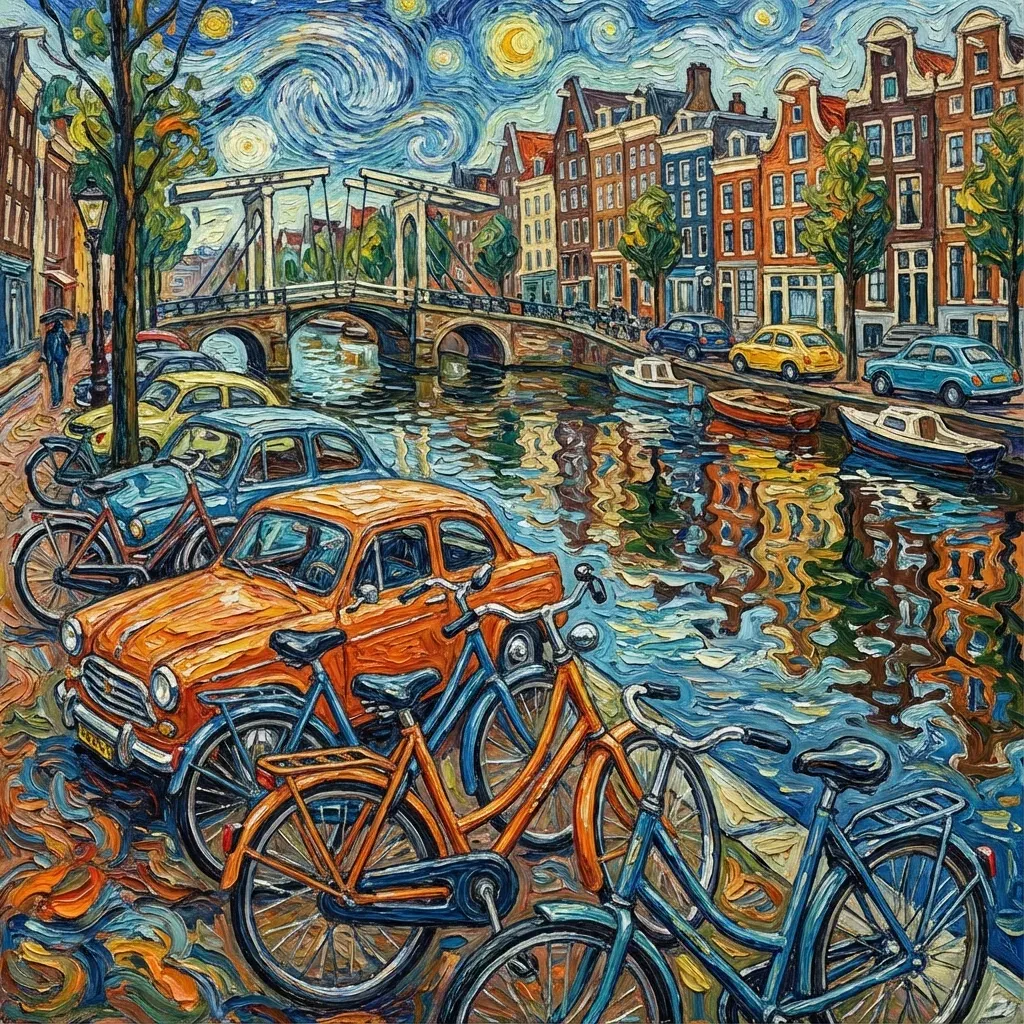
The Great Dutch Parking Shock
The Netherlands is globally renowned for its phenomenal cycling infrastructure and deeply efficient public transportation grids. However, for international professionals arriving with a massive family car, this bicycle utopia often feels incredibly hostile. Securing a stunning apartment overlooking a historical canal in Amsterdam or Utrecht is only half the battle. Figuring out exactly where to legally store two metric tons of steel every single night is an entirely different war.
Unlike the sprawling suburban landscapes found across North America, Dutch cities were fundamentally engineered hundreds of years before the invention of the automobile. The winding, narrow streets and incredibly dense housing grids simply lack the physical geometry required to support mass vehicle ownership.
To prevent their historical epicenters from drowning in toxic emissions and catastrophic gridlock, Dutch municipal governments are actively conducting a quiet war on cars. They deploy a ruthless combination of extreme street parking fees, highly restrictive zoning laws, and decade long waiting lists for residential permits. If you intend to own a vehicle while living in the Randstad, you must master the incredibly strict mechanics of the Dutch parking system before you sign any rental contract or mortgage deed.
1. The Weaponization of Street Parking
If you assume you can just casually abandon your car on the street outside your new apartment, prepare for immediate financial devastation.
The Cost of Hourly Street Parking
In almost every major Dutch municipality including Amsterdam, Rotterdam, Utrecht, and The Hague street parking is not free. These cities utilize advanced, fully digital parking grids enforced entirely by automated scanning vehicles. When you park on the street, you must instantly register your license plate via a mobile application like Yellowbrick or Parkmobile.
In premium central districts, the hourly cost of the meter is deliberately designed to be punishing. Leaving your car parked on a canal street in central Amsterdam can cost up to 7.50 euros an hour. If you attempt to park there for a full working day, you will bleed 60 euros.
Instant Digital Enforcement
You cannot gamble and hope the parking inspector walks past without noticing. Dutch cities deploy specialized camera cars that drive through every street, scanning hundreds of license plates per minute. If the central database registers that your specific license plate is parked without an active mobile payment session, an enforcement algorithm automatically generates a massive fine (naheffingsaanslag) and mails it directly to your registered address.
2. The Golden Ticket: De Parkeervergunning
To survive financially, local residents must officially apply for a municipal parking permit (parkeervergunning). This vital document transforms those ruinous hourly rates into a reasonably fixed monthly or annual fee. However, securing this golden ticket is a brutal bureaucratic nightmare.
The Horror of the Waiting List
Because historical neighborhoods physically lack the asphalt required to store everyone’s vehicle, municipalities artificially cap the maximum number of active permits per district. When a neighborhood hits its limit, you are placed on a brutal waiting list.
In peripheral suburbs, you might receive your permit in three weeks. In deeply dense central areas like Amsterdam Zuid or Utrecht Centrum, the waiting list can literally span over two years. During those two years, you are not exempt from the street meters. You must pay the extreme hourly rates, or park your car miles away in a different zone.
The New Build Zero Permit Rule
Furthermore, the government is aggressively pushing sustainable urban development. Many massive new apartment complexes (nieuwbouw) constructed after 2018 are legally zoned as “car free” blocks. If you rent or buy an apartment in one of these modern sustainable zones, you are permanently disqualified from ever applying for a municipal parking permit under any circumstances. You must independently rent a spot in an underground commercial garage, which can easily cost 250 euros per month.
3. The Power of the P+R System (Park and Ride)
If the concept of a multi year waiting list terrifies you, the Dutch infrastructure offers a highly efficient, heavily subsidized alternative designed to keep traffic completely out of the urban core.
The Park and Ride (P+R) system represents the ultimate compromise between city living and car ownership. P+R facilities are massive, highly secure concrete garages strategically positioned on the extreme outskirts of the city, perfectly interwoven with major highways and direct public transit nodes.
Instead of fighting for space in the center, you park your vehicle securely in the P+R garage. By proving you utilized an official public transit card (OV-chipkaart) to travel from the garage directly into the city center, your parking fee drops from 40 euros a day to a highly subsidized rate, often as low as one single euro per day. For expats who only utilize their vehicle on the weekends for road trips out of the country, abandoning the car in a secure P+R facility during the working week is the smartest financial strategy available.
4. Check the Blue Zones
If you are hunting for housing in smaller Dutch cities or deep suburban rings, you must understand the concept of the absolute Blue Zone (blauwe zone).
A blue zone is a localized neighborhood where casual street parking is entirely free, but only for an extremely strict, short window of time (usually a maximum of two hours). You must display a physical blue parking disc (parkeerschijf) inside your windshield indicating the exact time you arrived. If you live inside a blue zone, you cannot simply leave your car outside overnight without risking a fine. You must formally apply for a neighborhood exemption directly with your local municipality, proving you are an official resident at that precise address.
5. Securing Private Parking Through Huisly
The most foolproof method to bypass municipal waiting lists, avoid scanning cars, and achieve absolute vehicular peace is to secure a modern property that includes a dedicated, private parking space (eigen parkeerplaats).
However, filtering the chaotic Dutch housing market for private garages is incredibly tedious. Huisly solves this explicitly. By aggregating the deepest data feeds from trusted giants like Pararius, Kamernet, and Funda, Huisly empowers you to instantly filter the entire national housing market based on strict parking availability.
You can configure your search to exclusively mandate properties featuring secure underground garages or dedicated driveway spots. Huisly instantly identifies which properties provide absolute vehicular security, saving you from signing a binding, multi year rental contract only to discover you cannot legally park within three miles of your own front door. Stop wrestling with municipal bureaucracy, and locate a home that accommodates your entire lifestyle perfectly via the Huisly platform.
For more detailed strategies on securing your ideal home, explore our comprehensive housing search workflow.
Frequently Asked Questions
How long is the waiting list for a parking permit in Amsterdam or Utrecht?
Depending on the exact district, waiting lists for a residential parking permit can range from three months to over two years. In extreme city center zones, no new permits are being issued at all.
Can I just park my car on the street without a permit?
Yes, but it is financially ruinous. Street parking in major Dutch city centers operates via digital meters linked to your license plate and can cost between 5 to 8 euros per hour.
What is a P+R facility in the Netherlands?
A Park and Ride (P+R) location is a massive subsidized parking garage situated on the absolute outskirts of the city. You park there for a fraction of the cost and take a connecting tram directly into the center.

About Lena Rahimi
Marketing and research expert at Huisly. Lena combines data-driven insights with deep market knowledge to help home seekers navigate the Dutch real estate market.
Related Articles
All New Housing Rules for 2026: A Complete Guide for Renters and Buyers
Complete guide to 2026 Dutch housing law changes. Housing allowance, mortgages, rent increases, energy requirements and Amsterdam regulations explained.
Read Article
Dutch Address Registration: A Guide for Renters
Need to register your Dutch address (inschrijven)? Learn why the BRP is essential, the challenges tenants face, and how to avoid heavy municipal fines.
Read Article
Dutch Housing Registration Problems: An Expat Guide
Why is it so hard to find housing in the Netherlands that allows BSN registration? Learn about illegal subletting, municipal fines, and actionable workarounds.
Read ArticleGet the Huisly App!
Download our app for the best experience, instant notifications, and exclusive features for renters and buyers in the Netherlands.
Download the App