

Utility Costs in the Netherlands: A Renter's Guide

The Hidden Nightmare of Dutch Housing Expenses
When international expats and foreign students initially calculate their budget for moving to the Netherlands, they obsess intensely over the base rental price. However, successfully navigating the Dutch housing market requires a deep understanding of the secondary financial wave: utility costs.
In the Netherlands, electricity, central heating gas, running water, municipal waste taxes, and internet connections can rapidly escalate. Over the past five years, the Dutch energy market has experienced unprecedented volatility. Global geopolitical tensions heavily disrupted the natural gas supply, causing consumer energy bills to skyrocket. Prices have slowly stabilized moving into 2026, but the baseline cost of running a house remains exceptionally high compared to other European nations.
If you sign a rental contract without strictly understanding the insulation quality of the building or the nature of your utility obligations, you could face monthly financial ruin. This comprehensive guide details exactly how the Dutch utility system functions, why it is so expensive, and precisely what you can do to minimize your bills.
1. Deconstructing the Monthly Utility Bill
Understanding your financial burden requires breaking down the individual components of a standard Dutch utility package, commonly referred to as “gwl” (gas, water, licht).
Central Heating Gas and Electricity
These two elements represent the absolute vast majority of your monthly utility expense. Unlike some countries where electricity and heating are state-run monopolies, the Netherlands features a highly privatized, competitive energy market. You must directly contract a commercial provider like Vattenfall, Eneco, Essent, or Budget Energie.
Historically, nearly all Dutch homes utilized natural gas for central heating and cooking. Currently, the government is aggressively phasing out gas connections to combat climate change, forcing a mass transition to electric heat pumps and induction stoves. Consequently, governmental taxes applied to natural gas are exceptionally punitive.
Municipal Water Supply
Water operates entirely differently than electricity. You cannot choose your water provider. The Netherlands is divided into strict regional monopolies. If you live in Amsterdam, you are forced to use Waternet. If you live in Utrecht, you use Vitens. Fortunately, Dutch tap water is among the highest quality and cleanest in the world, and it is remarkably inexpensive. A single person rarely pays more than twenty euros per month for total water consumption.
Municipal Waste and Sewer Taxes
Every single resident in the Netherlands is legally obligated to pay annual local taxes to fund garbage collection (afvalstoffenheffing) and water purification systems (waterschapsbelasting). These are highly unpredictable because every municipality sets its own rates. In expensive cities like The Hague, these mandatory taxes can easily add an extra forty to sixty euros to your true monthly budget.
2. Why Are Utility Costs So Punitive?
If you are migrating from Southern Europe or Asia, the sheer magnitude of a winter utility bill in Rotterdam will likely shock you. Several systemic factors drive these costs skyward.
Extreme Energy Taxation
The actual physical molecule of gas or electron of electricity represents only a minor fraction of your total bill. The Dutch government aggressively weaponizes the energy bill to combat climate change. More than half of your monthly payment goes directly to the state in the form of energy taxes (energiebelasting) and Value Added Tax (VAT). The state intentionally taxes natural gas heavily to force homeowners to install electric heat pumps.
Poor Historical Insulation
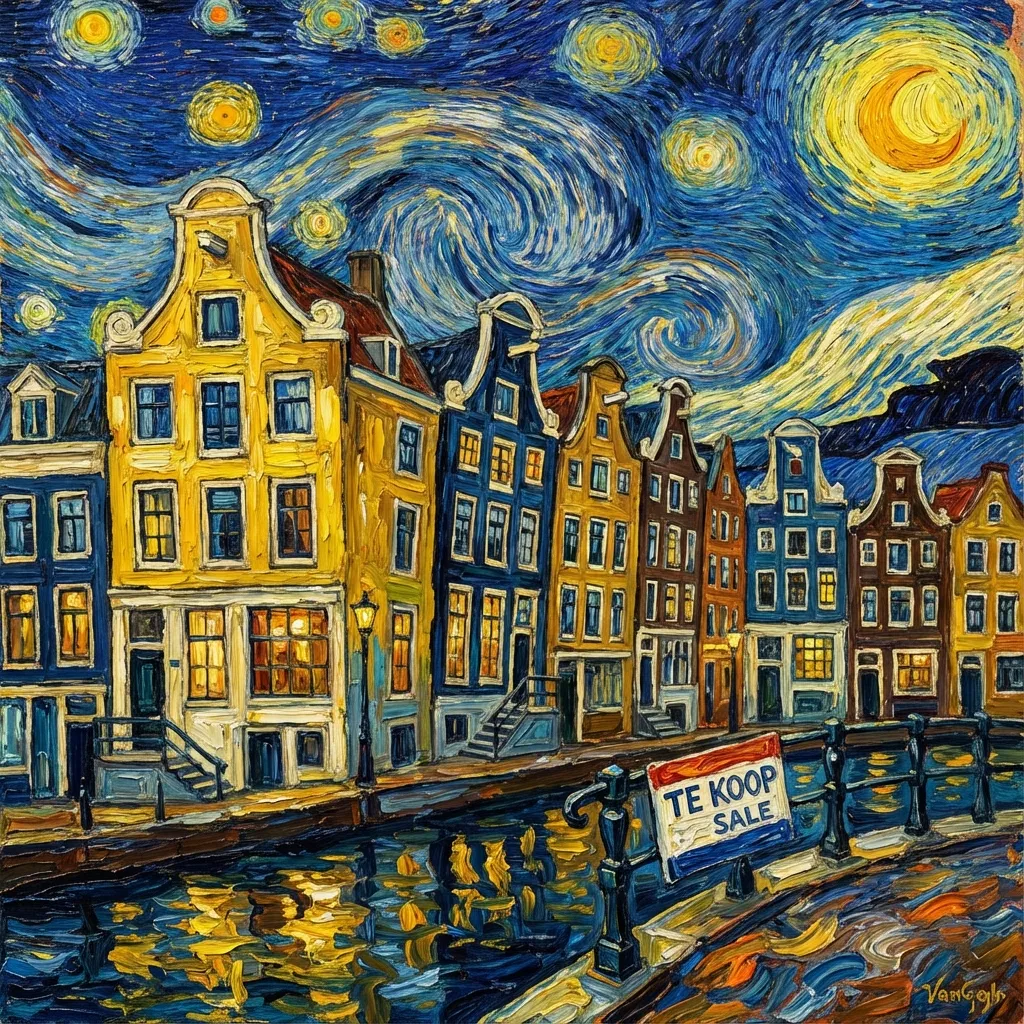
The Netherlands is world famous for its picturesque, centuries old canal houses and historic city centers. Unfortunately, standing inside a seventeenth century monument during January is a freezing experience. Historic Dutch properties feature single pane glass, incredibly thin brick walls, and zero roof insulation. If you rent a historic apartment in Amsterdam without modern upgrades, the central heating boiler will literally burn gas continuously to fight the drafts, resulting in catastrophic winter bills.
The Advance Payment Trap
Dutch energy companies utilize an “advance invoice” (voorschot) system. They calculate your estimated yearly usage and divide it into twelve equal monthly payments. In July, they check the physical meters. If your actual usage was higher than the aggregate monthly estimates, they will send you a massive, sudden invoice requiring you to instantly pay the difference.
3. The Crucial Difference: Inclusive vs Exclusive
Before you sign any lease document, you must determine who holds the legal responsibility for the utility contracts.
Kale Huur (Exclusive Rent)
This is the standard model. You literally rent the empty shell of the apartment. You hold absolute responsibility for calling the energy companies, signing the contracts, and paying the monthly bills directly from your bank account. This gives you total control to hunt for the cheapest competitor on the market, but it places all financial fluctuation risks squarely on your shoulders.
All Inclusive (Inclusief)
Popular among students and short term expats, an inclusive contract means the landlord handles all utility contracts. You pay the landlord one single massive sum every month covering rent, gas, internet, and taxes. While this offers excellent mental peace, it is financially dangerous. It is illegal for a landlord to make a hidden profit on utility costs. They must provide you with an incredibly detailed annual breakdown showing the raw invoices. Learn how to spot hidden illegal fees by consulting our detailed rental contract transparency guide.
4. The Power of the Energielabel
The absolute greatest defense weapon against high utility costs is the official Dutch “Energielabel”.
By law, every property advertised for rent or sale in the Netherlands must possess a registered energy label, ranging from A (exceptional insulation) to G (zero insulation).
An apartment boasting an A label features triple glazed windows, thick floor insulation, and highly efficient electric heat pumps. An apartment carrying a G label features single glass and drafts. The financial difference between living in an A label house versus a G label house easily translates to thousands of euros in pure wasted energy over a twelve month period. Never rent an E, F, or G property unless the base rental price is absurdly low enough to justify the brutal winter heating costs. Dive deeper into this metric via our complete guide on energy labels.
5. Aggressive Cost Reduction Tactics
If you want to aggressively reduce your financial exposure, you must deploy specific strategies the moment you receive your apartment keys.
Utilize Annual Price Comparison Tools
Because the energy market is privatized, companies offer massive cashback bonuses (welkomstkorting) to steal customers from rivals. Use platforms like Independer or Gaslicht every single twelve months to forcibly switch your provider. Loyalty to a Dutch energy company is financially foolish; they exclusively reward new signups.
Optimize Your Thermostat Behavior
The Dutch climate is extremely damp and cold from November until April. The absolute standard Dutch practice is to set the living room thermostat to 19 degrees Celsius and wear heavy woolen sweaters indoors. If you attempt to heat a poorly insulated Dutch apartment to 23 degrees Celsius during January, you will bankrupt yourself.
Invest in Smart Plugs
Electricity is expensive. Leaving televisions, gaming computers, and kitchen appliances on standby mode drains power constantly. Installing automated smart plugs to completely sever electricity to unused electronics generates surprisingly deep annual savings.
6. Finding Efficient Housing Using Huisly
The search for a highly insulated, realistically priced apartment is exhausting when you battle dozens of unverified platforms filled with misleading information.
By leveraging the technological power of Huisly, you neutralize the chaos. Huisly algorithms automatically scrape and consolidate legitimate listings from giant verified portals like Pararius and Kamernet directly into a clean, comprehensive dashboard.
Crucially, Huisly allows you to specifically target properties based on their official Energielabel. You can easily filter out catastrophic G label properties and exclusively hunt for modern, highly insulated A label apartments that guarantee low utility bills. Stop wasting energy reading scattered websites, and start securing highly efficient Dutch real estate intelligently.
Conclusion
Mastering the Dutch utility market is mandatory for your financial survival. Understand the massive tax burden placed upon natural gas, fiercely negotiate or demand transparency regarding all inclusive contracts, and base your rental decisions deeply upon the mathematical reality of the Energielabel. By combining highly disciplined heating behaviors with premium aggregation platforms, you can absolutely live comfortably in the Netherlands without fearing the winter invoice.
Frequently Asked Questions
How much are normal utilities in the Netherlands per month?
For a standard two person household, you should expect to pay between 150 euros and 250 euros monthly for combined gas, electricity, and water, depending heavily on insulation.
Are utility costs included in the basic Dutch rent price?
Generally, no. The vast majority of Dutch rental properties operate on a 'kale huur' system (basic rent), requiring you to physically arrange private utility contracts.
Does the government limit how much landlords can charge for shared utilities?
Yes. If your rental contract is 'all inclusive', the landlord is legally required to provide an annual detailed breakdown of the exact utility costs. They cannot make a hidden profit on energy.

About Lena Rahimi
Marketing and research expert at Huisly. Lena combines data-driven insights with deep market knowledge to help home seekers navigate the Dutch real estate market.
Related Articles
All New Housing Rules for 2026: A Complete Guide for Renters and Buyers
Complete guide to 2026 Dutch housing law changes. Housing allowance, mortgages, rent increases, energy requirements and Amsterdam regulations explained.
Read Article
Dutch Address Registration: A Guide for Renters
Need to register your Dutch address (inschrijven)? Learn why the BRP is essential, the challenges tenants face, and how to avoid heavy municipal fines.
Read Article
Dutch Housing Registration Problems: An Expat Guide
Why is it so hard to find housing in the Netherlands that allows BSN registration? Learn about illegal subletting, municipal fines, and actionable workarounds.
Read ArticleGet the Huisly App!
Download our app for the best experience, instant notifications, and exclusive features for renters and buyers in the Netherlands.
Download the App